%20(1).avif)






Europe
Africa
We often talk about leadership legacy in terms of vision, values, and mentorship, but rarely about the medium through which legacy actually lives: communication.
Leaders may define their principles, but it’s their words, tone, and stories that make those principles visible, memorable, and alive.
It’s time to connect the dots between how we lead and how we’re remembered, because legacy isn’t built in silence. It’s built in the stories we tell, and the way we tell them.
The Foundation of Legacy-Driven Leadership
Legacy-driven leadership starts with clarity: a deep understanding of your values and the impact you want to create. The most enduring leaders don’t just manage results, they articulate purpose.
- Authenticity: Be real, not rehearsed. When your communication reflects who you truly are, people don’t just listen, they trust.
- Vulnerability: Sharing lessons and uncertainty doesn’t dilute authority; it amplifies humanity.
- Values Alignment: Every message is a mirror of what you stand for. Consistency between word and action is what builds belief.
But clarity alone isn’t enough. Legacy requires translation, turning intention into influence through communication that others can feel, repeat, and carry forward.
From Leading to Communicating: The Missing Dimension
Leadership defines what you stand for.
Communication defines how it spreads.
Every vision, every principle, every act of mentorship depends on language to travel through people and time.
A powerful idea unspoken fades; a clear message shared well becomes memory.
That’s why legacy communication is the next evolution of leadership legacy, the bridge between meaning and momentum.
It’s not just about what you build, but how you make others believe in it.
"Legacy leaders don’t tell people what to do, they teach them why it matters."
Legacy Leadership. Jeannine Sandstrom & Lee Smith
Three Dimensions of Legacy-Driven Communication
At Tutto Passa, we define legacy-driven communication through three dimensions: Clarity, Credibility, and Continuity.
1.Clarity. Know Who You Are and What You Stand For
Leadership legacy starts with values; communication legacy starts with articulation.
If people can’t describe your purpose in one sentence, you haven’t been clear enough.
Ask yourself:
- What belief am I trying to leave behind?
- Can others explain it without me in the room?
2. Credibility. Earn Trust Through Consistency and Depth
In leadership, trust is built by decisions. In communication, it’s built by alignment.
Your tone, your timing, your transparency, all signal credibility.
You can’t control perception, but you can control coherence.
3. Continuity. Let Your Message Flow Beyond You
Legacy lives through others.
When your team, your investors, your audience can retell your story in their own voice, that’s continuity.
It’s not about repeating slogans; it’s about sustaining rhythm.
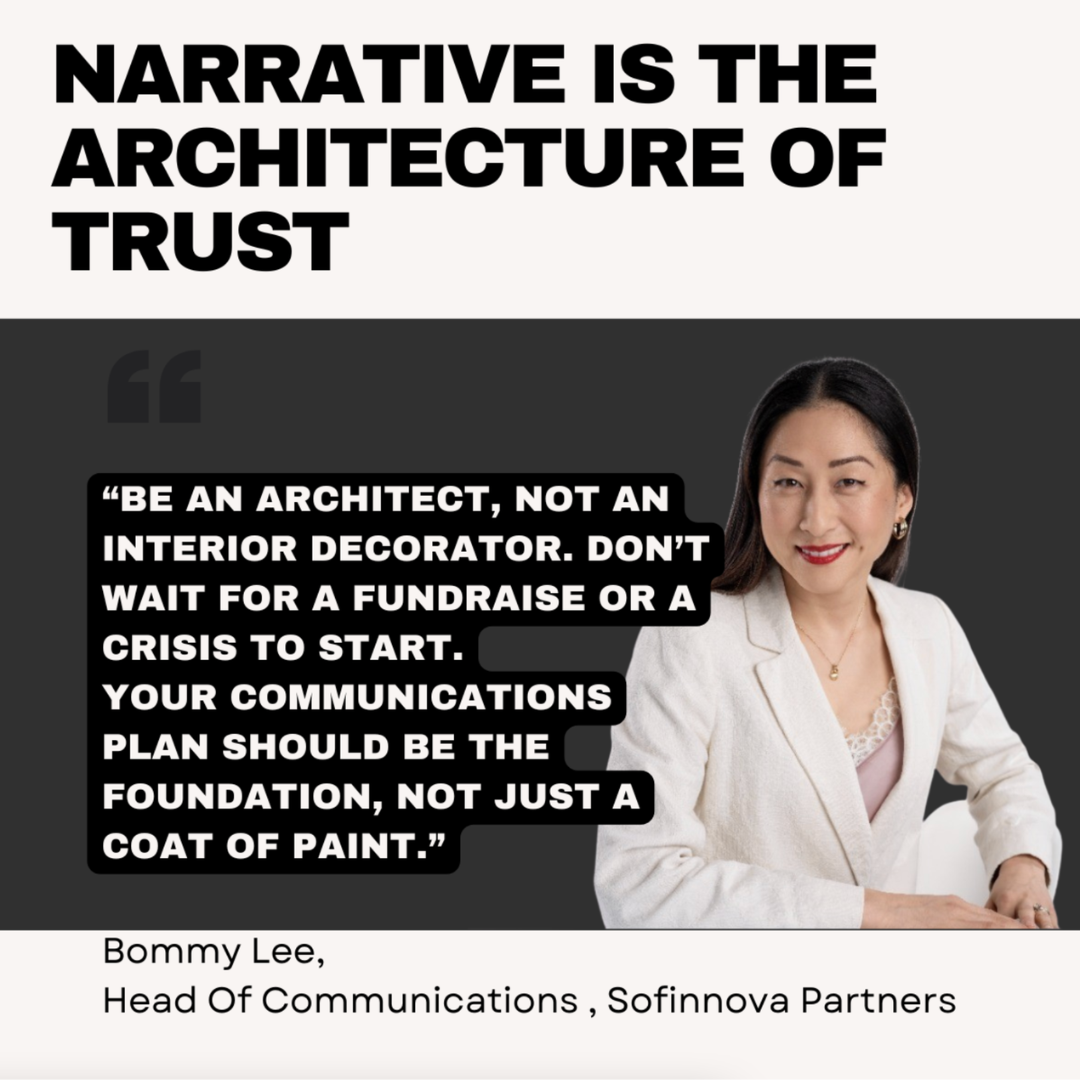
Together, these three create what I call the architecture of trust. The invisible framework that turns leadership into lasting influence.
Mentorship and Message
Traditional mentorship focuses on skills and experience.
Legacy communication adds another layer: narrative mentorship.
Leaders should teach not only what to do, but how to tell the story of what they’re doing.
Help emerging leaders articulate their vision, not just execute yours.
That’s how a legacy multiplies, through voices that carry your principles into new contexts.
“Mentorship builds capability. Communication builds continuity.”
Creating a Positive Impact Through Communication
Authenticity, inclusion, and sustainability which are all vital to leadership legacy, come alive through how you communicate them.
- Community: When leaders communicate transparently, they invite collaboration instead of compliance.
- Sustainability: Responsible communication, choosing honesty over hype, is a sustainability practice in itself.
- Diversity & Inclusion: Inclusive language creates belonging long before policy does.
Your legacy doesn’t live in your strategy documents. It lives in your language.
The Future of Legacy: Communication as Leadership Currency
As leadership evolves, communication will become its truest test.
Attention is fleeting; authenticity endures.
The next generation of legacy-driven leaders will understand that how they communicate is inseparable from how they lead.
They’ll know that tone can carry trust across cultures, that narrative can outlast strategy, and that clarity, rather than volume creates credibility.
So let’s redefine what it means to lead with legacy in mind.
Let’s make space for communication that’s not performative, but purposeful.
Because in the end, our titles will fade, our metrics will age,
but our message, when it’s real, will flow on.
Reflection:
What part of your leadership today will someone else repeat tomorrow, not because they have to, but because it resonated?
That’s your legacy in motion.
“Leadership defines intention. Communication defines inheritance.”


.png)